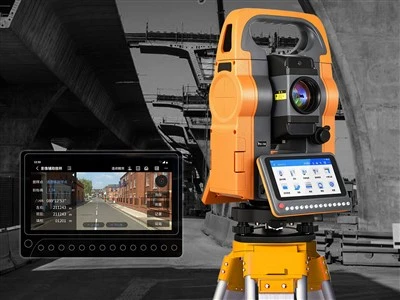

Angle measurement accuracy is the most crucial indicator of a theodolite, typically expressed in seconds (″), such as 2″, 5″, 10″, etc. Smaller values indicate higher accuracy. Precision theodolites can achieve 1″ or even higher accuracy, suitable for control surveying and high-level engineering surveying.
Minimum reading and resolution indicate the smallest angular change the instrument can detect, usually corresponding to angular accuracy. Electronic theodolites generally achieve a resolution of 1″ or higher, thus improving the detail and reliability of measurements.
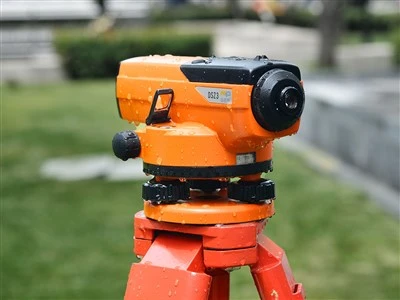
Telescope performance indicators include magnification, field of view, and minimum stadia distance. Magnification is generally between 20× and 30×, determining the clarity of the observed target; the field of view affects the observation range, while the minimum stadia distance determines the instrument's applicability in close-range measurements.
Other indicators include compensator accuracy, leveling accuracy, and environmental adaptability, such as dustproof and waterproof rating (IP rating) and operating temperature range. These all affect the stability and reliability of the theodolite in complex field environments.