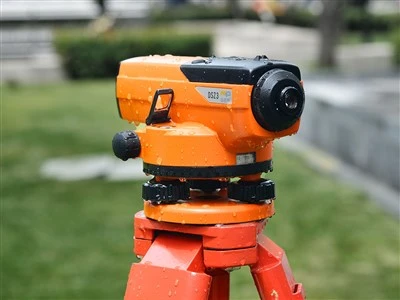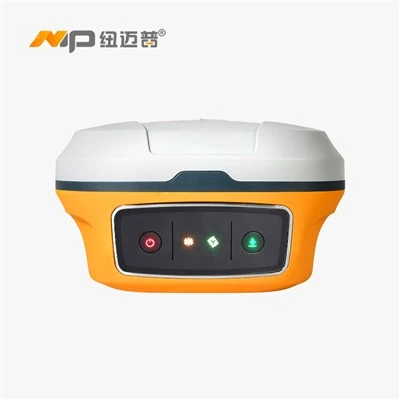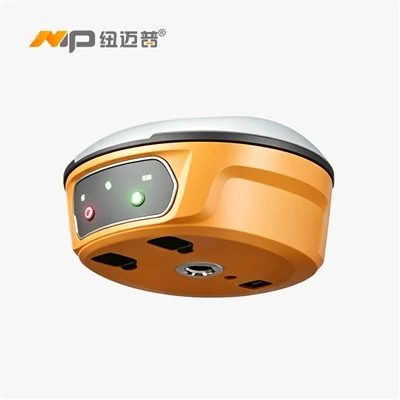

A level is a high-precision surveying instrument, varying in measurement accuracy, observation capabilities, and applicability. Ordinary engineering levels typically have an accuracy of 2 to 5 millimeters per kilometer, while high-precision instruments can achieve 0.3 to 1 millimeter per kilometer, meeting the requirements of high-level control surveying and engineering construction.
The performance of the telescope is a crucial specification of a level, including magnification, field of view, and minimum focusing distance. Magnification is usually between 20 and 30x to ensure clear observation of the target; the field of view is generally between 1 and 2 degrees, affecting the observation range; and the minimum focusing distance is between 0.5 and 1 meter, ensuring accurate centering even at close range.
The leveling and compensation devices of a level also have specific specifications. The leveling device must ensure rapid and stable leveling, with sensitive bubble adjustment; the compensator accuracy is typically between 0.5 and 5 arcseconds, capable of automatically correcting horizontal errors. The instrument's operating temperature, weight, and protection rating also affect ease of use and field adaptability.