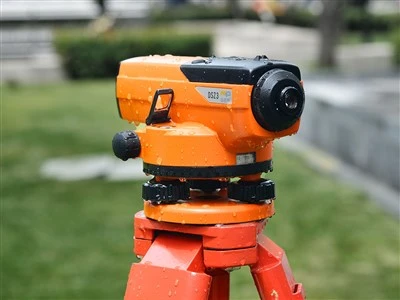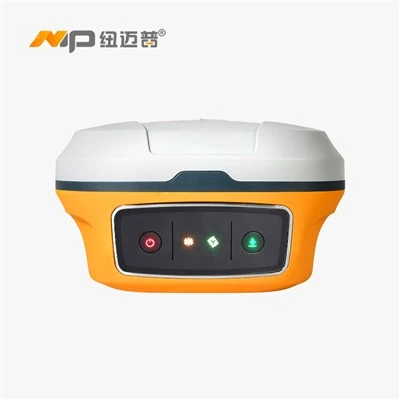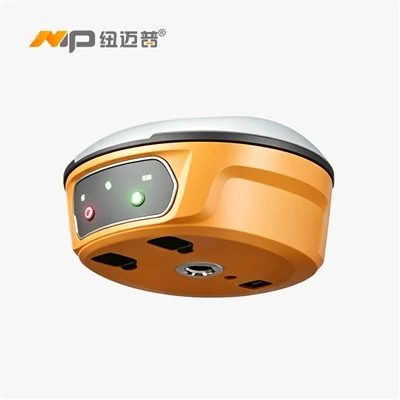

Leveling instruments possess high-precision measurement capabilities. Through the optical or electronic leveling system of a telescope, they measure the difference in elevation using a leveling rod, thereby obtaining the elevation changes of the ground or structure. Modern levels can achieve a measurement accuracy of 0.3mm–1mm per kilometer, making them an irreplaceable tool in engineering construction and high-precision control surveying.
Leveling instruments are characterized by structural stability and high reliability. The instruments typically employ a rigid frame and a high-precision optical system, combined with a bubble tube or electronic compensator, to achieve rapid leveling and stable measurement. This ensures the accuracy of data during continuous observations in complex field environments.
Leveling instruments are also characterized by ease of use and strong adaptability. Whether in complex outdoor engineering sites or at construction sites and bridge monitoring sites, levels can quickly complete elevation measurements through leveling with feet, lens rotation, and electronic readings. Furthermore, some modern levels support digital recording and automatic calculation, improving operational efficiency.